

Moisture uncertainty
Timber structures need condition context before visible problems become obvious.
Use case
Timber structures need careful condition context and long-term evidence when moisture risk, service visits or inspections matter.
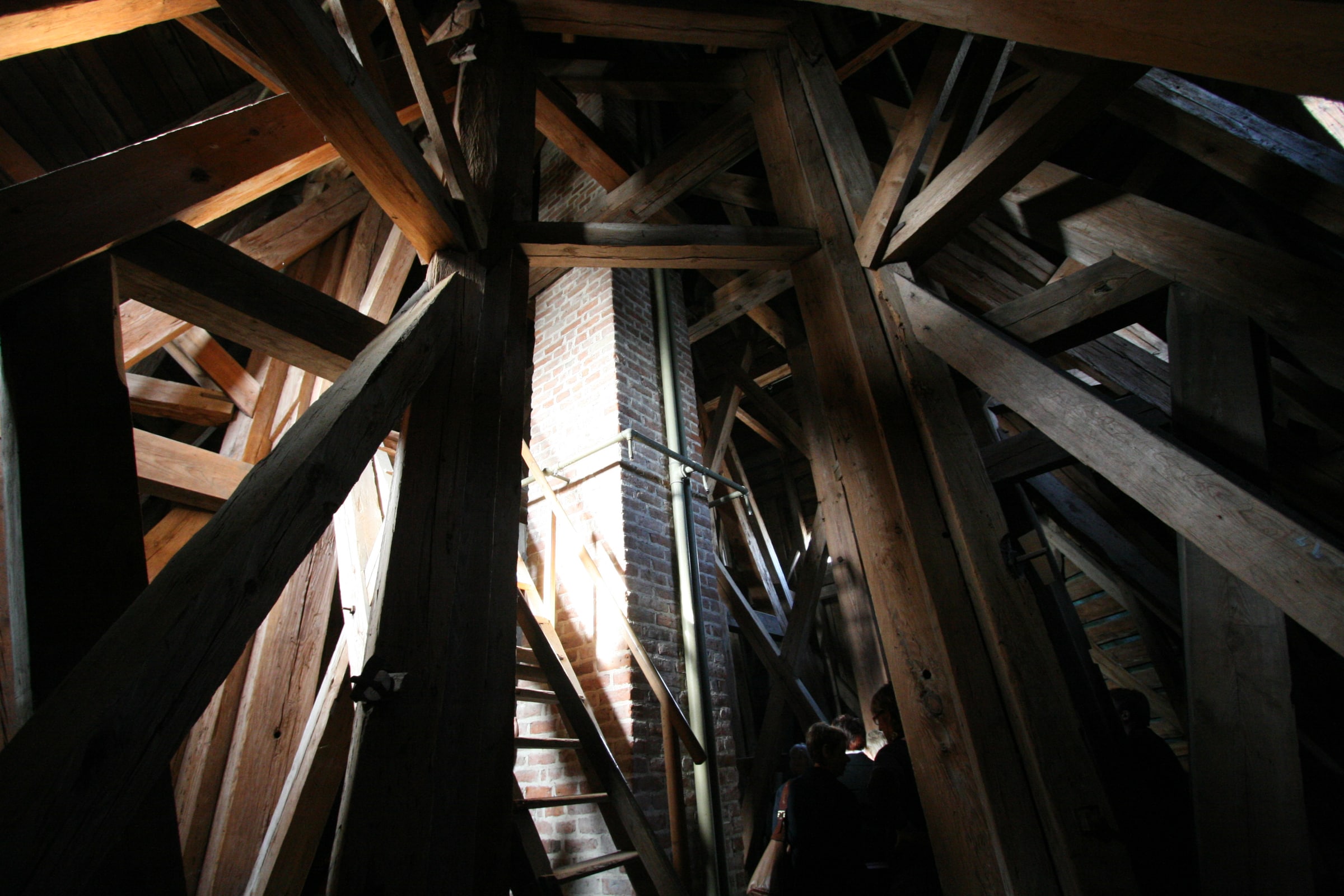
Timber roof construction, Frederiksborg Castle. Context photograph, not a Humidynit project.Ib Rasmussen · Public domain
Asset / environment context
Timber structures need moisture and condition context that can be compared over time. FieldPass evidence, Sense readings and service decisions should stay tied to moisture-sensitive areas.
Timber structures need condition context before visible problems become obvious.
Visits are harder to compare when previous evidence is scattered.
Findings need to become documented decisions or service actions.
Where Humidynit fits
These layers support timber workflows where readings, evidence and follow-up need continuity.
Sensitive area
Keeps moisture-sensitive zones identifiable.
Readings
Adds supported condition context without replacing professional review.
Evidence
Captures inspection photos and notes.
History
Supports comparison over time.
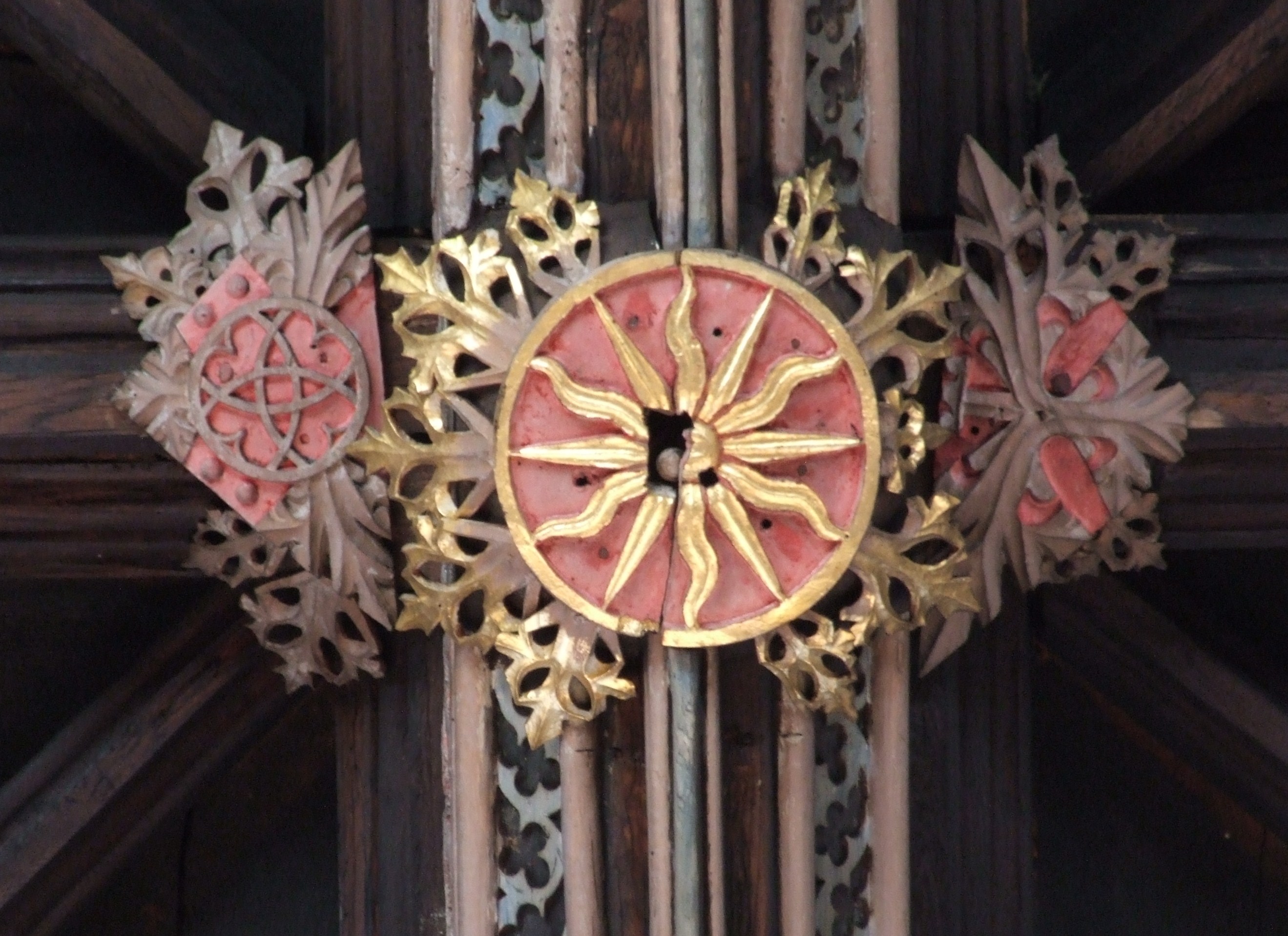
Timber roof detail, St Helen Witton Church. Context photograph, not a Humidynit project.RLamb · Public domain
Typical field / operations workflow
A timber workflow connects risk context, readings, trend review and follow-up evidence.
Define the structural or material context that needs observation.
Use Sense where condition context can support review over time.
Record photos and notes without replacing professional assessment.
Review readings and evidence against earlier records.
Keep service decisions attached to the timber context.
What remains attached over time
For timber structures, the operating record connects moisture-sensitive areas, supported readings, inspection evidence and service decisions.
Condition readings stay tied to the timber area being reviewed.
Field photos and notes can be compared against earlier visits.
Service decisions remain linked to the risk context that created them.
