Company

About Humidynit

Humidynit is built in Latvia by Jumtu ekspertīžu birojs SIA. It connects physical inspection access, supported readings, KNOT connectivity, Platform object history, field records and service follow-up around roofs, buildings and managed assets.

Why this exists

The roof is physical. Its history should not be fragmented.

A roof is not an abstract line in a spreadsheet. It is a physical place exposed to weather, visited by different people and changed by every inspection, repair and installation. Yet the evidence that explains that place is often scattered between folders, inboxes, photographs, sensor dashboards and the memory of whoever last went on site. When those fragments drift apart, even a simple question can take too long to answer: what happened here, when did it happen and what should happen next?

Humidynit began with the belief that the asset itself should be the centre of its record. The system is designed around a clear chain: a planned physical Access point, supported readings connected through KNOT Gateway, review in the Humidynit Platform, and optional FieldPass or Care workflows when field evidence or service follow-up is needed. Each part has a defined job. Together they make the history of a roof, building or managed asset easier to revisit without pretending that software can replace professional judgement on site.

Reliable digital context begins at the real location

Start with something physical

Reliable digital context begins at the real location

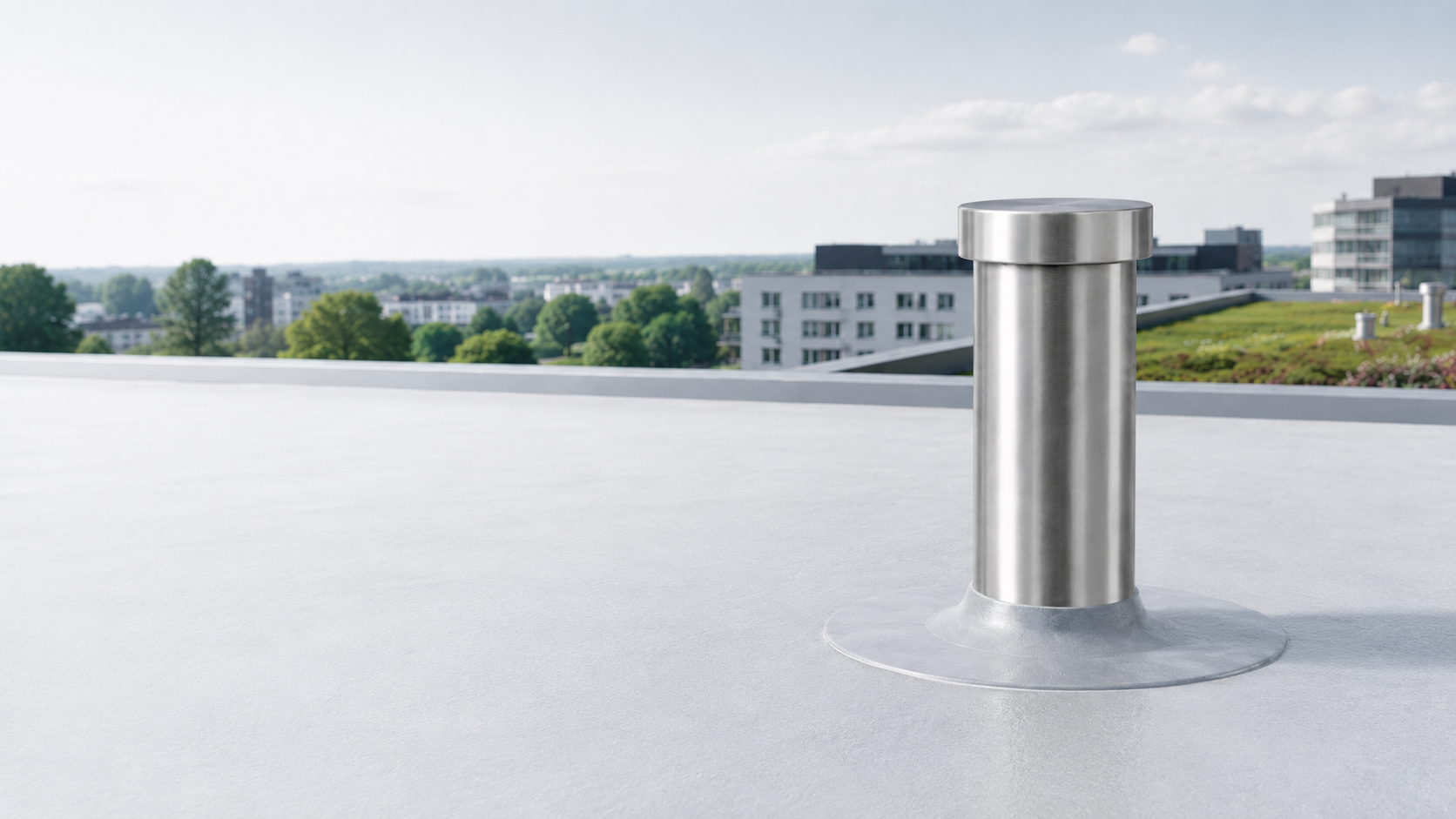
The first design question is not what a dashboard should show. It is how a person reaches the asset, identifies the correct place and returns to it safely and consistently. Humidynit Access is the planned physical control point in that story. It creates a repeatable location for inspection access and can support the practical work that follows: understanding where equipment belongs, where evidence was captured and how the next visit relates to the last one.

That physical anchor matters because buildings are not clean diagrams. Roof zones change, maintenance teams change and documentation ages. A durable object history needs a stable reference that survives those changes. Humidynit therefore treats hardware as part of the information architecture, not as decoration around a software product. Access exists to serve the asset and the people responsible for it; the digital record becomes more useful because it can remain connected to a known place.

Built around field reality

Weather, access and imperfect connectivity are part of the design brief

Work on roofs and managed assets rarely happens under ideal conditions. Light changes, gloves make small controls difficult, connectivity can be intermittent and the most important detail may be obvious only from a particular position. FieldPass is shaped around that reality. It supports structured field records and evidence capture so that people can document what they see without turning the site visit into a battle with a generic office workflow.

The same principle informs the wider ecosystem. Interfaces should be legible, records should keep their object context and the route from observation to follow-up should be understandable. The system should help a field team leave a stronger record for the people who review it later. That means prioritising clarity over novelty, explicit states over hidden assumptions and useful evidence over decorative activity. Humidynit is at its best when the technology recedes and the condition of the asset becomes easier to discuss.

The connected system

KNOT Gateway carries supported signals into the same history

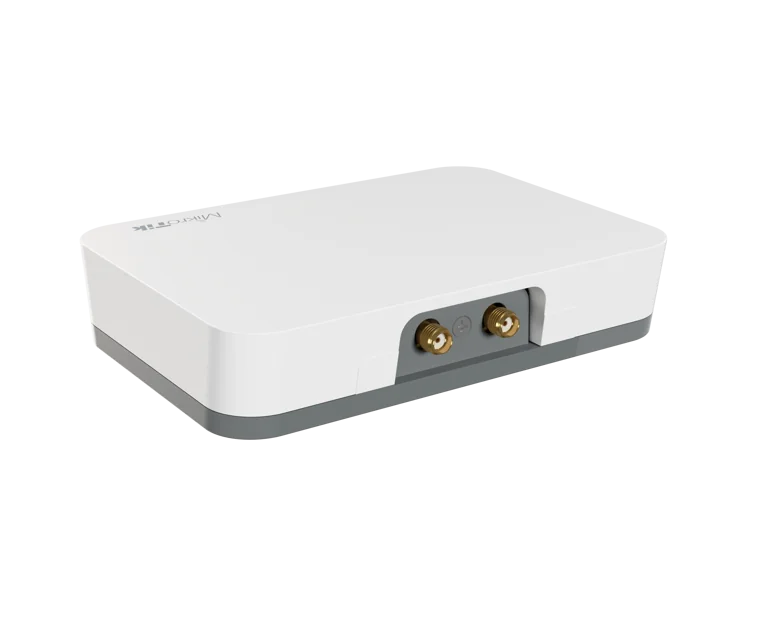
KNOT Gateway carries supported signals into the same history01

KNOT Gateway carries supported signals into the same history

Monitoring adds value when readings can be interpreted in context. MikroTik KNOT (RB924i-2nD-BT5&BG77) is used as the connectivity layer for compatible sensor and site data where technical support is confirmed. Its role is deliberately specific: move supported data into the Humidynit system so that the information can be reviewed alongside the asset it describes. KNOT is MikroTik hardware, not a Humidynit-manufactured device or a universal gateway for every protocol.

This restraint is important. A credible system should make its boundaries visible and should not create confidence that the underlying evidence cannot support. Connectivity conditions vary by site, device and environment, so every proposed setup needs technical confirmation. When that fit is established, KNOT helps turn isolated readings into part of a longer record. The value is not the volume of data. It is the ability to understand a reading in relation to a real location, a known installation and the work that followed.
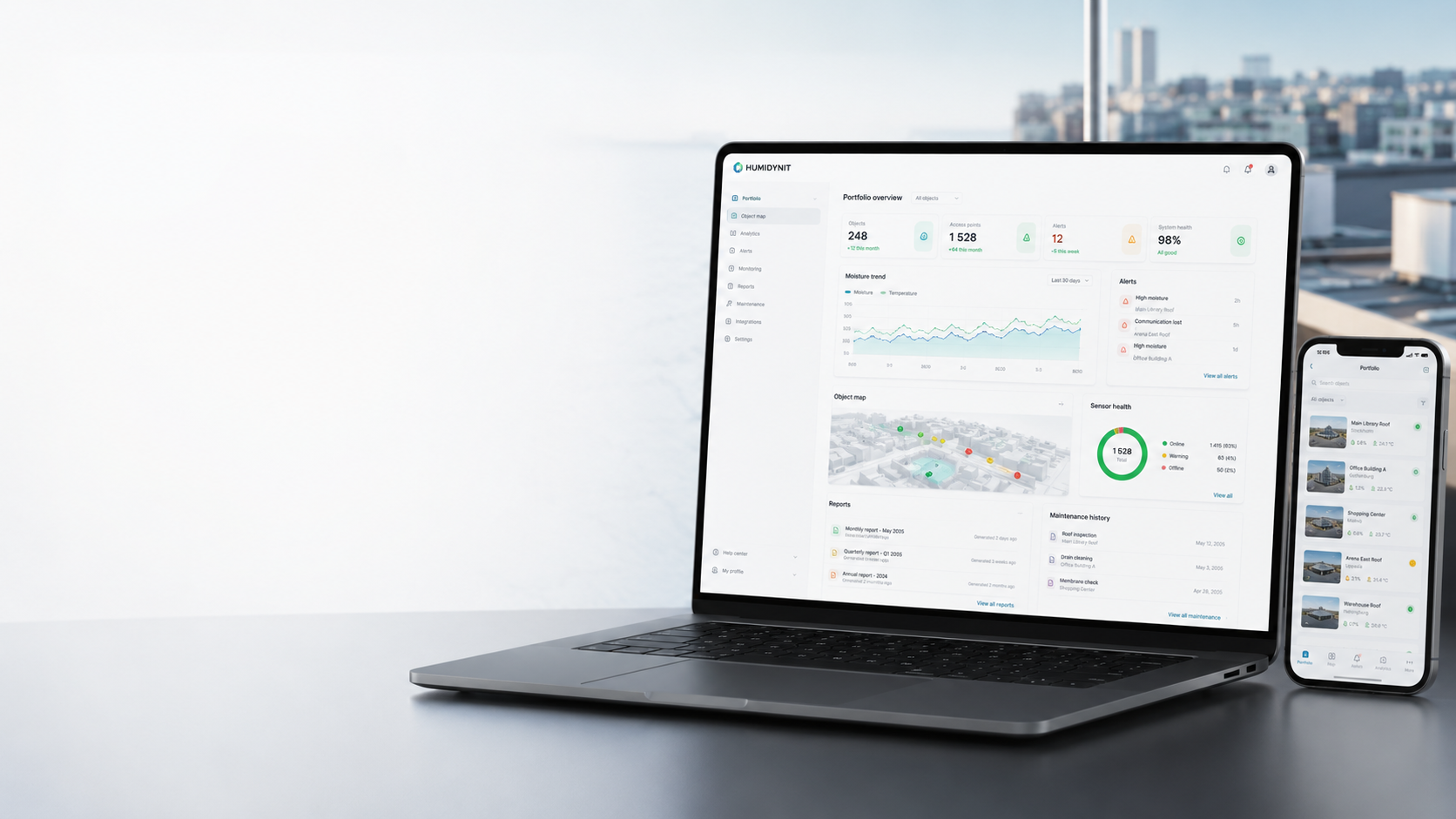
One Platform keeps readings, reports and decisions together02

One Platform keeps readings, reports and decisions together

A single inspection can be useful, but an asset is managed across years. The Humidynit Platform is built as the object-history and sensor-management layer for that longer horizon. It can bring supported readings, maps, alerts, reports, inspections and service follow-up into a shared view around the same asset. Instead of treating every new visit as a fresh start, teams can return to the context that already exists and understand what changed.

The aim is practical continuity. A reading may prompt a closer look. A field observation may explain an anomaly. A report may shape a maintenance decision. A later service visit should be able to see the evidence that led there. Humidynit is designed so those moments can reinforce one another rather than disappear into separate tools. It does not promise automatic certainty; it provides a calmer, more reviewable foundation for people who remain responsible for interpreting conditions and deciding what to do.
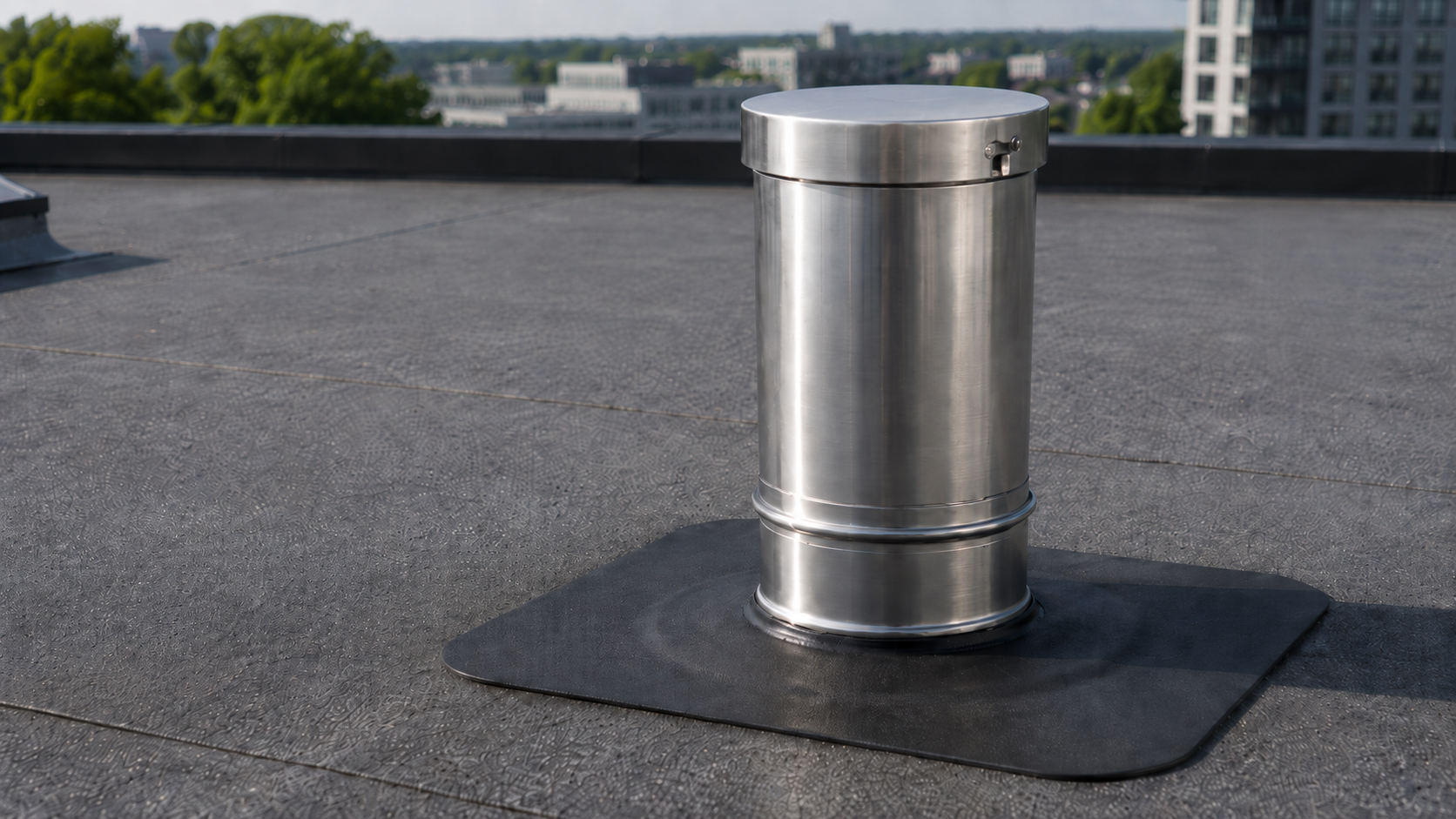
Care keeps service work connected to what came before03

Care keeps service work connected to what came before

Inspection and monitoring are not the end of the story. Assets need maintenance, questions need owners and completed work needs a record. Humidynit Care is the service layer for agreed follow-up around the same asset history. Its purpose is not to blur the boundary between evidence and service; it is to keep the relationship visible. The condition that prompted attention, the decision that followed and the service record can remain connected instead of becoming separate administrative trails.

That continuity supports a more responsible commercial model as well. Humidynit does not need every customer to adopt every layer at once. A project can begin with a defined access need, a monitoring requirement, a field documentation problem or a service workflow. The appropriate combination depends on the asset, the people operating it and the evidence they need. The product family is modular, while the underlying principle remains consistent: preserve the context that helps the next person make a better-informed decision.
Selected field environments

The system is being shaped close to demanding real environments

Humidynit is being shaped in Latvia, where changing seasons and varied building conditions make abstract assumptions easy to challenge. Field environments associated with the work include Ķeguma HES, Rēzeknes slimnīca and the University of Latvia House of Nature, LU Dabas māja. These names describe environments informing product thinking; they are not presented as endorsements, completed deployments or public case studies unless separately documented.

Being close to real environments changes the questions a product team asks. Can the physical setup be understood by the next contractor? Will a record still make sense after a season has passed? Does a reading retain enough installation context to be useful? Can office reviewers and site teams work from the same object history? The answers must be tested carefully, and sometimes the honest answer is that a technical fit still needs confirmation. That honesty is part of the product, not a footnote to it.

Ķeguma HESRēzeknes slimnīcaLU Dabas māja
Humidynit Platform

From one roof to a portfolio

A coherent object history becomes more valuable as responsibility grows

The same principles that help with one roof can support a wider portfolio. When every asset has a recognisable structure for access, supported monitoring, field evidence and service history, teams can compare without losing the character of each location. A portfolio view should not flatten every site into the same generic score. It should help people find where attention is needed and then move back into the evidence for that particular asset.

Humidynit is building toward that balance: enough consistency for operational oversight, enough detail for accountable local decisions. The audience may include owners, facility teams, inspectors, service partners and others who share responsibility over time. Their views differ, but the source history should remain coherent. That is why the platform story begins with the object rather than the organisation chart. People and suppliers can change; the asset and its accumulated history must still be understandable.

What we are building

A more dependable relationship between places, data and work

Humidynit is not trying to make physical assets virtual or to remove the need for skilled people. The ambition is more grounded: give those people a dependable way to connect the place they manage with the readings, records and service history that explain it. When the evidence is coherent, conversations become more precise. Teams can see what is known, what remains uncertain and which next step deserves attention.

That is the standard guiding the product family. Access establishes a physical point. KNOT connects supported data. Platform organises the object history. Sense, FieldPass and Care extend the workflow where they fit. The system will keep evolving, but the measure of progress is stable: less fragmentation, clearer context and a record that remains useful beyond the moment it was created. For Humidynit, premium technology is not excess. It is quiet reliability around the physical things people are trusted to look after.

Talk to Humidynit about your asset workflow.

Share what you manage and where monitoring, field records, reports or service history need to become easier to trust.